
Coronavirus Market Conditions
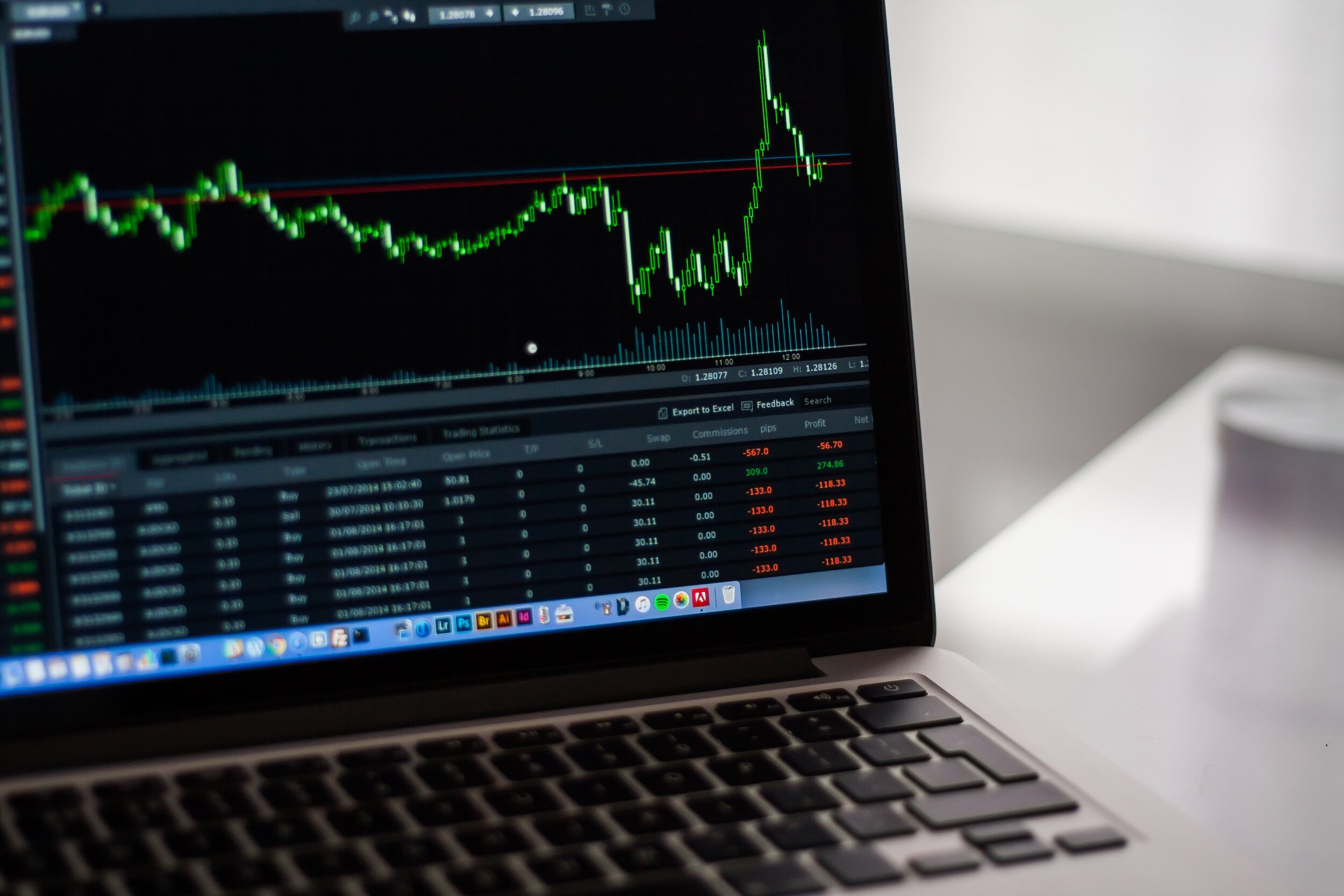
I know it has been awhile since my last blog, but with all that has been happening with the markets and the coronavirus I felt it was important to quickly put down my thoughts. At this point in time I look to the CDC to determine how I should feel about the virus and they have said it’s not a matter of if but of when, which seems to have been borne out by the news of more and more cases appearing. This creates an unfortunate mixture of fear of the disease as well as elevated stress due to the markets reacting to this new information. So, I will give you my thoughts on how the disease is affecting markets, what that means for the long term investor, and some steps to consider taking.
For those who have seen some of the news of the past week and a half, you will likely have seen that markets have been dropping (biggest 1 day points drop in history) and people are freaking out. This is absolutely the case, the markets are dropping and people are freaking out, but that does not mean that you should as well. First of all, the news networks and the infamous CNBC love to play up the drama and stress. They make money based on how many people tune in and take actions, not whether they help people. I say this to remind you not to get caught up in the financial news broadcasts, as they are frequently wrong and are certainly not intended to cause good decisions. There are good sources of news out there, but the ability to block out the headlines and the talking (or in Kramer’s case, screaming) heads will serve you well throughout your investment experience.
Now let’s talk about how the markets are being affected. Obviously this is a drop in value and the global economy is expected to be impacted. However, if there is one thing this proves it is that the markets are working. Given the situation a reasonable person would expect the markets to react this way. This is an important factor that can get overlooked in the headlines and fear, but should be absolutely remembered. Because markets are working as they are supposed to, they are pricing in new information as well as unknowns. This means that while the risk is increasing so too are the returns that investors are demanding for carrying that risk. Basically, the more risk of losing value the market contains, the more expected returns for holding those assets as the markets are built on the idea of delivering positive returns for holding risky assets. Obviously nobody can tell you when things will turn around or by how much, but when markets are working then bearing today’s risk should lead to positive future returns.
This means that for the long term investor the best option is to stay invested and not make drastic decisions. I know that it can be easy to be overwhelmed by the amount of information and fear mongering going on in the world (just look at everyone trying to buy masks despite the fact that it does not really help) but that’s where tuning out the noise becomes an invaluable skill. Looking at previous health crises like the Ebola or swine-flu outbreaks, as well as the financial crisis in 2008 it can be pretty safely said that nobody knows when the markets hit bottom or when they hit the peak. These events also show that even in the middle of major setbacks, the markets are still working and are still efficient. The people who saw their investments lose value in 2008-2009 and bailed likely had a much harder time getting back into the black than those who simply held firm and were in a much better position a few years later. If you know that you are investing for the long haul, then part of that must be the acknowledgement that events like these will occur. As I mentioned, these periods of increased risk are the other side of the expected returns coin. If we want to make money in the market over the long term, we must be open to periods of increased risk.
That being said, there are definitely some steps that you can consider taking as news of this outbreak unfolds. The first step is take a look at your investment strategy to make sure it still resonates with your risk tolerance. This provides a great opportunity to review your investments and make sure things are still working the way you want them to. If you work with an advisor then now is a good time to reach out to them if you have questions as they can provide grounded and objective advice which can help combat the news screaming at you. The next step is one that seems counterintuitive but shouldn’t is that now is a great time to invest. Stocks are on sale at the moment and we have all heard the adage of buying low and selling high. Well, prices are low right now, so if you have the extra capital to devote to investments then now can be a great time to get more value for your money. I know that this can be scary, but by putting more money towards investments now you will be able to reap greater rewards when the markets turn positive.
I know that the coronavirus outbreak is scary as evidenced by the panic that’s rising and the response by the government of calling it a hoax. However, if you are able to ignore the headlines and think rationally you will be able to navigate this downturn in the markets and come out ahead by not making any panicked decisions. I had originally thought of including some basic steps to actually combat the virus itself, but given that most of my readers work in healthcare I believe the best option is to stay in my lane. If you have questions about how best to handle your investments or want to ask questions about how you should approach your specific situation, please feel free to reach out to me here and I will be happy to provide an objective sounding board.